Mid America Audiology – Ellisville
Ellisville , MO 63011
Fax: 636-391-9236
Tuesday: 09:00 AM to 04:00 PM
Wednesday: 09:00 AM to 04:30 PM
Thursday: 09:00 AM to 04:00 PM
Friday: 09:00 AM to 04:30 PM
Saturday: Closed
Sunday: Closed
- In Person
- Curbside
- Virtual

Additional Clinic Details

Dementia-friendly clinic
Our caring providers and welcoming staff make it inviting and comfortable for those suffering from dementia or other memory challenges to enter our office. We invite family members into the process and offer unique counseling options to help with a successful home or memory care communication plan.

Tinnitus management
At Mid America Audiology Group, we specialize in the diagnosis and management of tinnitus (often called “ringing in the ears”). A full examination often pinpoints the underlying cause of tinnitus and helps our hearing care professionals determine the best plan of treatment, which may include special hearing aids, sound therapy, or changes in diet.
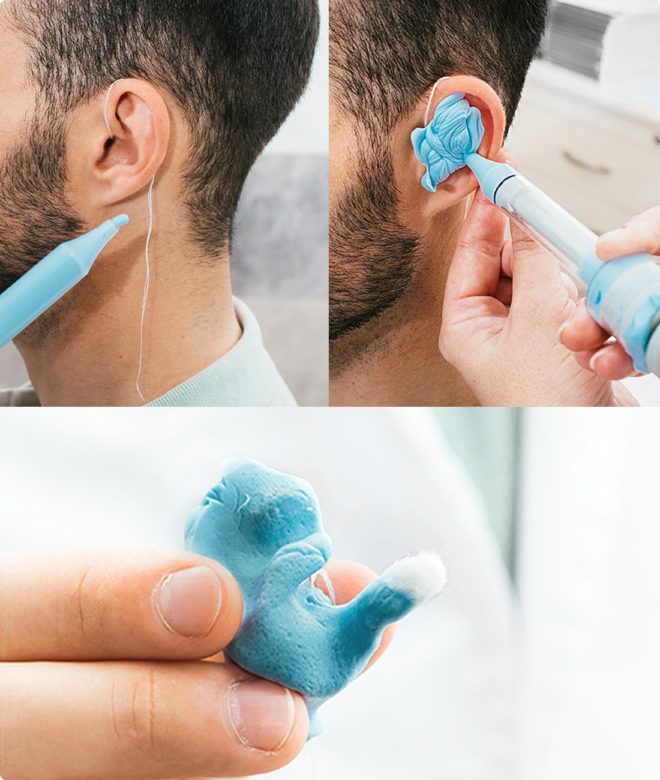
Custom hearing protection
At Mid America Audiology Group, we specialize in providing custom hearing protection for hunters, musicians, and anyone whose hobby, lifestyle, or work exposes them to loud noises. We also specialize in state of the art hearing technology for those that suffer from noise-induced hearing loss.
Meet the team

Anne Murray

Michelle Smith